
Your Guide to Choosing the Perfect Waterfront Apartment
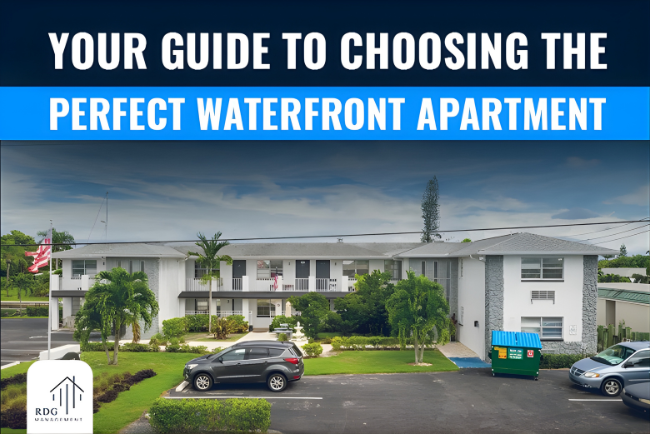
Introduction
Choosing a waterfront apartment sounds simple until you start comparing real options. The view may look similar across listings, but the day to day experience can be very different.
The goal is not to find the most impressive unit. The goal is to find a place that fits your routine, your budget, and your expectations without surprises.
This guide walks through how to evaluate waterfront apartments in a practical way so you can make a clear decision.
How to choose the right waterfront apartment
- Check natural light and unit orientation
- Evaluate total monthly cost, not just rent
- Walk the community layout and shared spaces
- Review noise levels and privacy
- Understand maintenance quality and response time
1. Start With How You Live Each Day
Before comparing properties, define what matters in your routine.
Ask yourself:
- Do you work from home and need natural light
- Do you prefer quiet surroundings or active areas
- How often will you use outdoor space
- What is your daily commute like
A waterfront apartment should support your lifestyle, not just look appealing online.
2. Evaluate the View Beyond the Listing Photos
Not all waterfront views are equal.
When visiting or reviewing a property:
- Check which direction the unit faces
- Notice how much of the water is actually visible
- Look at nearby structures that may block the view
- Visit during morning and evening if possible
A unit with consistent natural light often feels more livable than one with a better but limited view.
3. Understand the Full Monthly Cost
A listing price does not tell the full story.
Break down:
- Base rent
- Utilities and water charges
- Parking fees
- Amenity or maintenance fees
For example, a unit listed at $1,195 per month may realistically cost closer to $1,495 depending on additional expenses.
Clarity here helps you avoid budget pressure later.
4. Walk the Community, Not Just the Unit
A waterfront apartment is more than the interior space.
Pay attention to:
- Distance from parking to your unit
- Condition of walkways and outdoor areas
- Accessibility of common spaces like pools or seating areas
- Cleanliness and upkeep
Well maintained communities tend to deliver a more predictable living experience.
5. Check Privacy and Noise Levels
Waterfront living is often quieter, but not always.
Observe:
- Spacing between buildings
- Whether balconies face each other directly
- Activity levels near common areas
- Nearby roads or public access points
A short visit during peak hours can give you useful insight.
6. Review Maintenance and Management Quality
Waterfront properties require consistent upkeep.
Ask simple but direct questions:
- How quickly are maintenance requests handled
- How often are common areas serviced
- Who manages the property
Communities with clear systems in place tend to perform better over time.
7. Look at Location and Daily Convenience
Even in scenic locations, daily access matters.
Check:
- Distance to grocery stores and essentials
- Proximity to main roads or highways
- Travel time to work or frequent destinations
A good waterfront apartment balances environment with accessibility.
Common Questions Renters Ask
Is waterfront living always more expensive
Not always. Some communities offer competitive pricing depending on location and unit size. The key is evaluating total cost versus daily value.
Are waterfront apartments harder to maintain
Well managed properties account for weather and environmental factors. Maintenance quality depends more on management than location.
What is the biggest mistake renters make
Focusing only on the view and ignoring layout, cost, and daily convenience.
When is the best time to rent
Inventory and pricing can vary, but evaluating multiple options before peak moving seasons often gives you better clarity.
A Practical Way to Compare Options
When reviewing multiple properties, keep it simple:
- Compare total monthly cost
- Rank units based on natural light and layout
- Note commute time differences
- Evaluate how often you would use amenities
This approach keeps your decision grounded in real use, not assumptions.
Gentle Next Step
If you are exploring waterfront options, start by reviewing a real community layout and available units here:
https://www.rdgmgmt.com/water-front-apartment/
Look beyond photos. Focus on how the space fits your day to day life.
Final Thought
The right waterfront apartment is not the one with the best view. It is the one that feels easy to live in every day.
When your space supports your routine, your costs stay predictable, and your environment feels consistent, you have made the right choice.