
Designing for Lifestyle Inside Modern Waterfront Communities
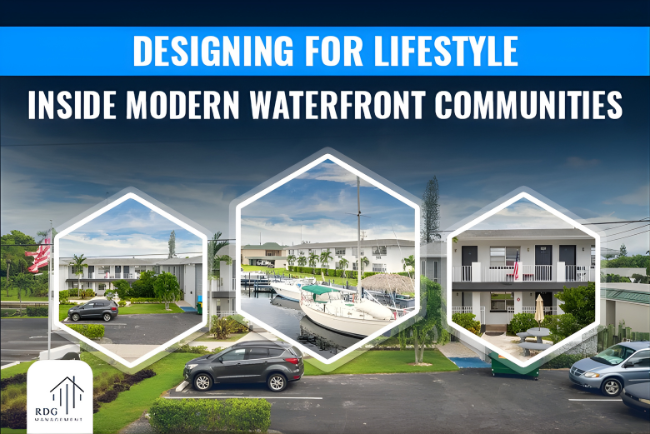
Introduction
Waterfront living is often misunderstood as a premium upgrade. In reality, the value is not just in the view. It is in how the environment shapes daily life.
Modern waterfront apartment communities are designed around routines, not just aesthetics. The goal is to make space, light, and access to water part of everyday living rather than something occasional.
If you are evaluating options like the Water Front Apartment community, it helps to understand what you are actually paying for and how design impacts long term comfort and cost control.
What defines a modern waterfront apartment community
- Layouts designed to maximize natural light and views
- Outdoor access integrated into daily living spaces
- Walkable community design with water facing common areas
- Practical amenities that support routine, not just recreation
- A balance between privacy and shared space
1. Layouts That Prioritize Light and Function
The biggest difference in waterfront apartments is how units are positioned.
Instead of maximizing unit count, these communities often focus on:
- Window placement that brings in consistent daylight
- Living areas that face outward rather than inward corridors
- Open layouts that reduce wasted space
This is not about luxury. It is about making smaller spaces feel usable and less confined.
For renters, this translates into better day to day comfort without increasing square footage.
2. Outdoor Space Is Part of Daily Living
In traditional apartments, outdoor areas are separate. You visit them when you have time.
In waterfront communities, outdoor access is built into your routine:
- Balconies or patios connected to living areas
- Walking paths along the water
- Seating areas that are actually used, not just displayed
This design approach changes behavior. People spend more time outside without planning for it.
3. Community Design That Reduces Friction
Good design is often invisible. It shows up in how easily you move through your day.
Waterfront communities typically include:
- Clear walking paths between units and amenities
- Parking that is accessible without long detours
- Shared spaces placed where residents naturally pass
This reduces small daily frustrations. Over time, that matters more than high end features.
4. Amenities That Support Routine
There is a difference between attractive amenities and useful ones.
Modern waterfront communities tend to focus on:
- Pools that are easy to access and maintain
- Quiet seating areas near the water
- Functional fitness spaces
- Clean and well managed common areas
The goal is consistency. Not occasional use.
For renters, this means you are more likely to actually use what you are paying for.
5. Privacy Without Isolation
One challenge in apartment living is balancing privacy and community.
Waterfront designs often address this through:
- Spacing between buildings
- Landscaping that creates natural separation
- Unit positioning that avoids direct line of sight into neighbors’ spaces
This creates a quieter environment without making the community feel disconnected.
6. Location That Supports Daily Needs
Waterfront does not mean remote.
Well planned communities, including options like Water Front Apartment, are usually placed with access in mind:
- Close to main roads
- Within driving distance of grocery, healthcare, and retail
- Near employment hubs or commuting routes
This balance allows residents to enjoy the setting without sacrificing convenience.
7. Cost Versus Value in Waterfront Living
A common assumption is that waterfront always means higher cost.
In reality, value depends on how the space is used.
Ask:
- Does the layout improve daily comfort
- Are outdoor areas actually usable
- Is the community maintained consistently
- Are there hidden costs beyond rent
If the answer to these is clear, the premium becomes easier to justify.
Common Questions Renters Ask
Are waterfront apartments worth the cost
They can be, if the design improves daily living and not just visual appeal.
Do waterfront properties have higher maintenance issues
Well managed communities account for environmental factors and maintain infrastructure accordingly.
Is waterfront living quieter
In many cases, yes. Lower density and better spacing can reduce noise compared to urban apartments.
What should I check before renting
- View orientation and natural light
- Distance from parking to unit
- Condition of outdoor spaces
- Lease clarity and additional fees
How to Evaluate a Waterfront Apartment
Before making a decision, take a practical approach:
- Visit at different times of day to assess light and noise
- Walk through common areas, not just the unit
- Ask about maintenance response times
- Review total monthly cost, not just base rent
These steps give you a clearer picture than photos alone.
A Simple Next Step
If you are considering waterfront living, start by reviewing a real community layout and available units.
You can explore more details here:
https://www.rdgmgmt.com/water-front-apartment/
Take your time. Focus on how the space supports your routine, not just how it looks.
Final Thought
Modern waterfront communities are not just about location. They are about how design shapes everyday life.
When done right, they offer something simple but valuable.
More usable space, more natural light, and a more predictable living experience.